I’ve seen a lot of segmentations over the years. Some good. Some bad.
At their best, they’re useful foundational tools that offer strategic clarity about how to win and where to play. They offer a shared understanding that helps teams make sense of external complexity.
But they become problematic when we mistake segmentation for truth.
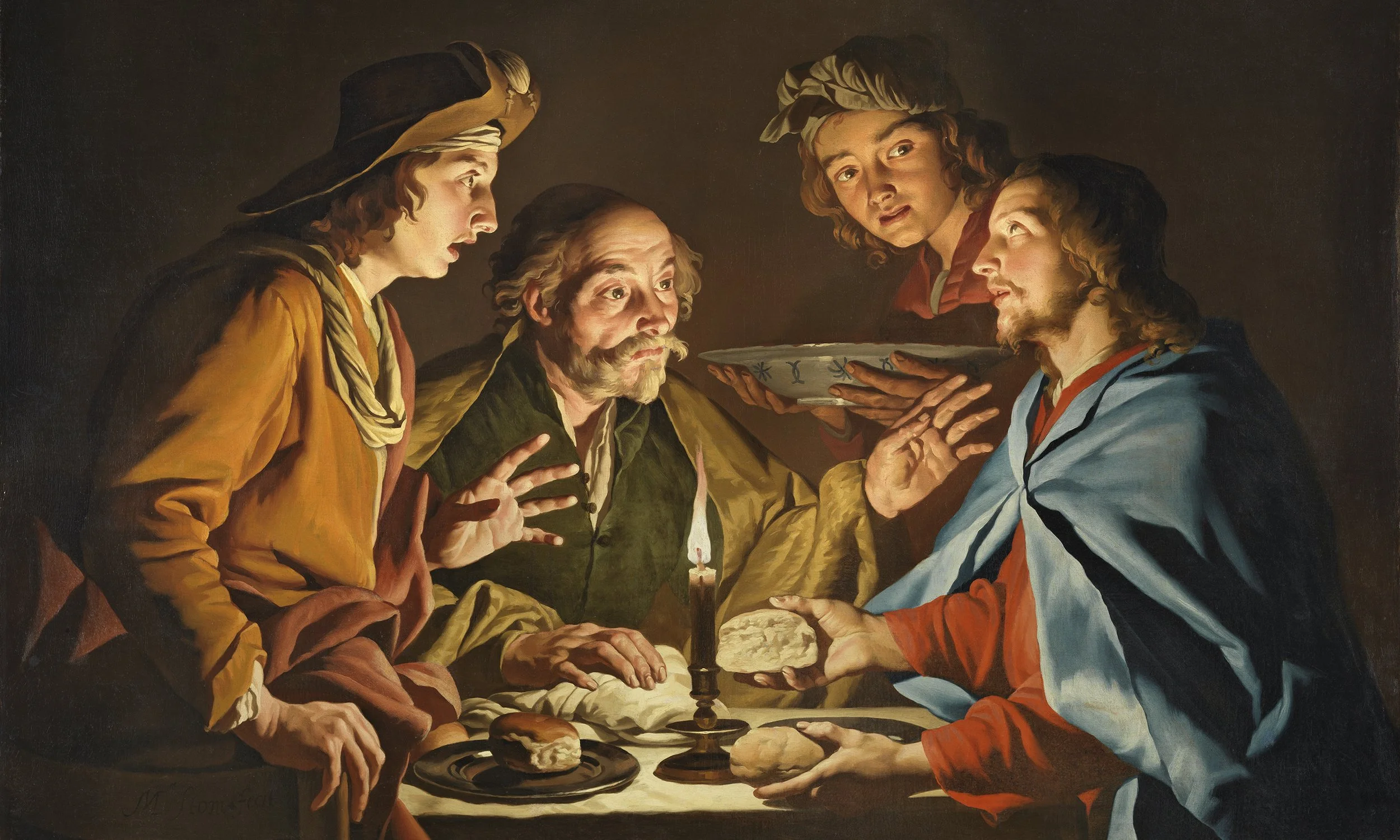
It’s far more useful to think of segmentation as mythology.
Myths are stories that help people make sense of the world, and that they can organize themselves around. They aren’t pure fiction, but they also aren’t true in the literal sense either. They’re products of moments and movements - shaped by the needs of particular times and places.
Segmentations are no different.
It’s easy to forget that segmentations are often built using a mix of factor and cluster analysis. They start with a survey of demographic, attitudinal or behavioural questions. All the variables from survey responses are collapsed into shorter lists of meaningful factors based on correlations. People are then organized against those factors, based-on natural statistical groupings.
So they’re true in a sense. But closer to folklore than fact.
The danger lies in how they shape mental models. Particularly if teams start to believe in the mythical perfect customer. Or, in the research world, the perfect respondent. We build narrow boxes around who we think people are and how they behave. And, we forget that real humans don’t always fit into neat and tidy boxes.
I’ve moderated focus groups with people who matched the segmentation on paper, only for them to end up being unhelpful.
And, I’ve also recruited people into studies who didn’t “fit,” only to have them drop insight bombs that helped to completely reframe the strategy.
Where Things Go Wrong
Like any other part of the corporate world, insight-generation is ruled by the tyranny of now. Teams want answers fast. That pressure trickles down to research recruiters, who are expected to fill quotas in a certain period of time.
That’s where segmentations and the typing tools built from them start to fail us.
When we screen too rigidly, we start excluding the exact people who might helpfully challenge our assumptions. And then comes the real perversion: to hit quota in time, recruiters and traditional research firms start letting in low-quality respondents who technically “match,” but are less concerned with whether or not they have anything meaningful to say.
The process is perfectly defensible, but I hear again and again from clients and prospects that they’re frustrated with the quality of insights they’re getting back from these traditional firms.
Just like nobody gets fired for hiring McKinsey, I guess nobody gets fired for hiring Ipsos?
In practice
I recently ran some high-touch recruitment for a CPG brand looking to speak with people who weren’t price sensitive, and were willing to spend more for certain types of products. If I’d followed the segmentation to the letter, I would’ve screened out anyone who primarily shops in-store or looks for deals on products they’re interested in.
Instead, I took the time to meet with a few people who seemed interesting, and who didn’t perfectly match the profile, but had strongly-articulated points of view.
They turned out to be rich sources of insight. And in the process, it became clear that the client’s mental model of their customer mix was decoupled from reality.
Many price sensitive people in their category order groceries online.
And loads of wealthy, non-price sensitive people like to shop for their groceries in stores (and like to get deals when they can).
Honestly, who doesn't like a deal?
In retrospect, the segmentation profile was more myth than truth.
Casting for insight
To be clear, I’m not anti-segmentation or anti-typing tool. They’re both extremely useful.
But they aren’t gospel.
When treated that way, all we’re doing is pre-emptively closing doors that could lead to the insights that help brands differentiate, innovate, and grow. Less box-ticking. More nuance. And when it comes to research recruitment, more like casting than an analytical process.
So, next time something from your segmentation profiles is presented to you like fait accompli, take a beat to question it. Is this helpful mythology?
Or is it anchoring us to limiting assumptions?

David Akermanis is the founder of Faster Horses, a research and strategy consultancy based in Vancouver. He holds a Master's of Design in Strategic Foresight & Innovation and has spent 15+ years working in agencies and consultancies. His work is built around higher-quality, higher-touch recruitment, so that insights and strategies are grounded in real behaviour rather than surface-level abstractions. He writes about qualitative research, culture, and brand strategy.
Connect on LinkedIn