Real People. Real Stories. Real Decisions.
A selection of our favourite projects, to give you a sense of how we work and what we deliver.
Project Context
The older we get, the more different we become. That's a biological, psychological, and sociological fact.
But the older you are, the more likely you are to get collapsed into a tired set of stereotypes. Like the idea that women past a certain age are no longer competitive. As if menopause flips some magical switch that shuts down athletic ambition and drive.
In reality, women 50–65 are navigating some of life's most complex terrain: career peaks and pivots, caregiving and loss, reinvention and resilience. All while their bodies shift in ways that are deeply misunderstood and hyper-individual.
Many feel invisible. Not just misunderstood, but unseen.
We partnered with a global athletic brand to dig deep into the lived experiences and unmet needs of women 50–65. Beyond the clichés, to understand what drives them, what weighs on them, and how their brand could show up with relevance and respect to fuel continued growth.
What We Did
We did a ballet class with a late bloomer. Met a 70 year old who is preparing for a Himalayan summit. And hit Crossfit and spin classes with women who are breaking every myth about aging and athleticism.
Participants were recruited through a blend of our client's guest panel, social media outreach, and grassroots connections built through gym owners and personal trainers across Canada and the United States.
Our research involved a mix of ethnographic fieldwork, depth interviews, and expert interviews with movement coaches, gym owners, and trainers who specialize in feminine and midlife fitness.
The Outcome
We brought the work into an interactive strategy workshop with the client team, translating insight into action.
Together, we identified five new innovation opportunity spaces. Each grounded in real behaviour, unmet needs, and tensions. For each, we outlined what it would take to win, and mapped the competitive landscape associated with each demand space, whether established or emerging.
The result was a clear and culturally-grounded roadmap for product innovation. Designed not just for 'older women,' but for any women navigating strength, identity, injury, and reinvention on their own terms.
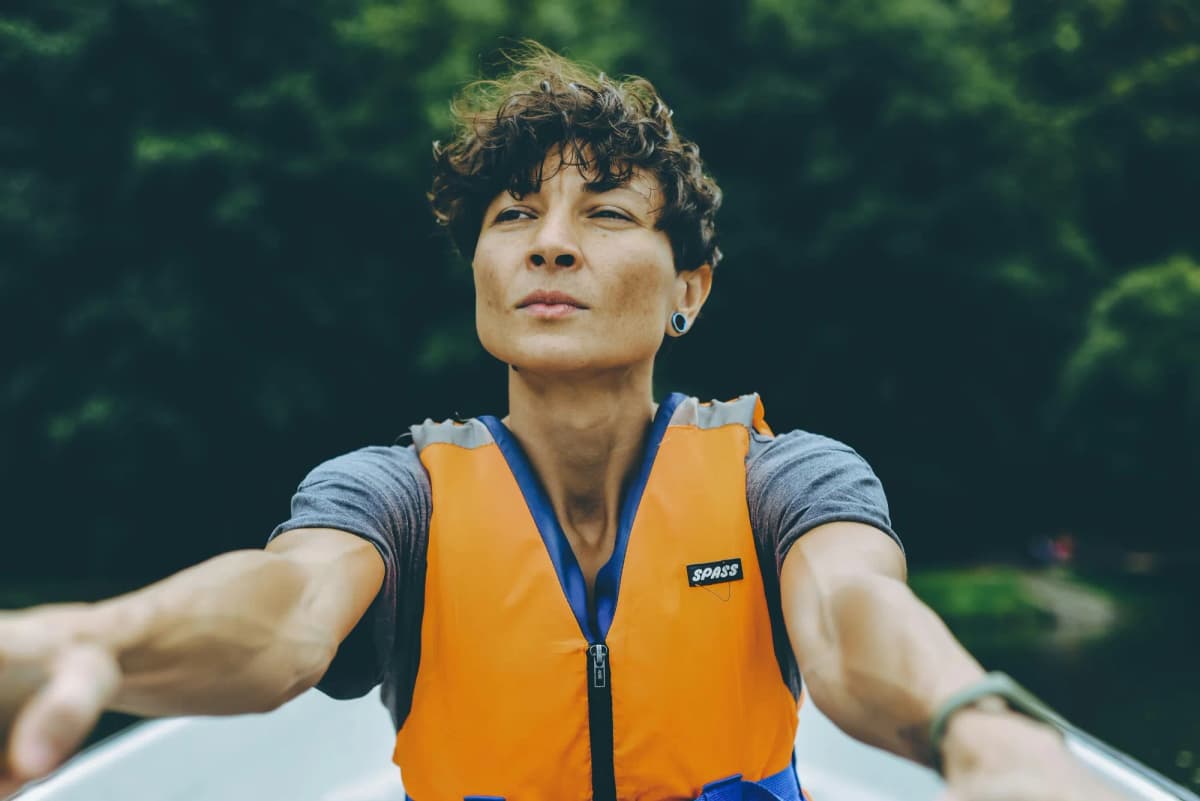
Global Athletic Brand
- Ethnographic Fieldwork
- Depth Interviews
- Expert Interviews
- Competitive Analysis
- Market Sizing
- Innovation Concepts
- Strategy Workshop
Canada & United States
Personalization is one of the most powerful tools a financial platform has, but also one of the easiest to get wrong. My client wanted to understand where the opportunities were, and just as importantly, where the risks lived. Through in-depth interviews with users, we mapped the full spectrum — from genuine unmet needs to the features that felt desirable in theory but introduced brand risk in practice. Some things people wanted, just not from this brand.
The work went on to inform updates to their payments app.
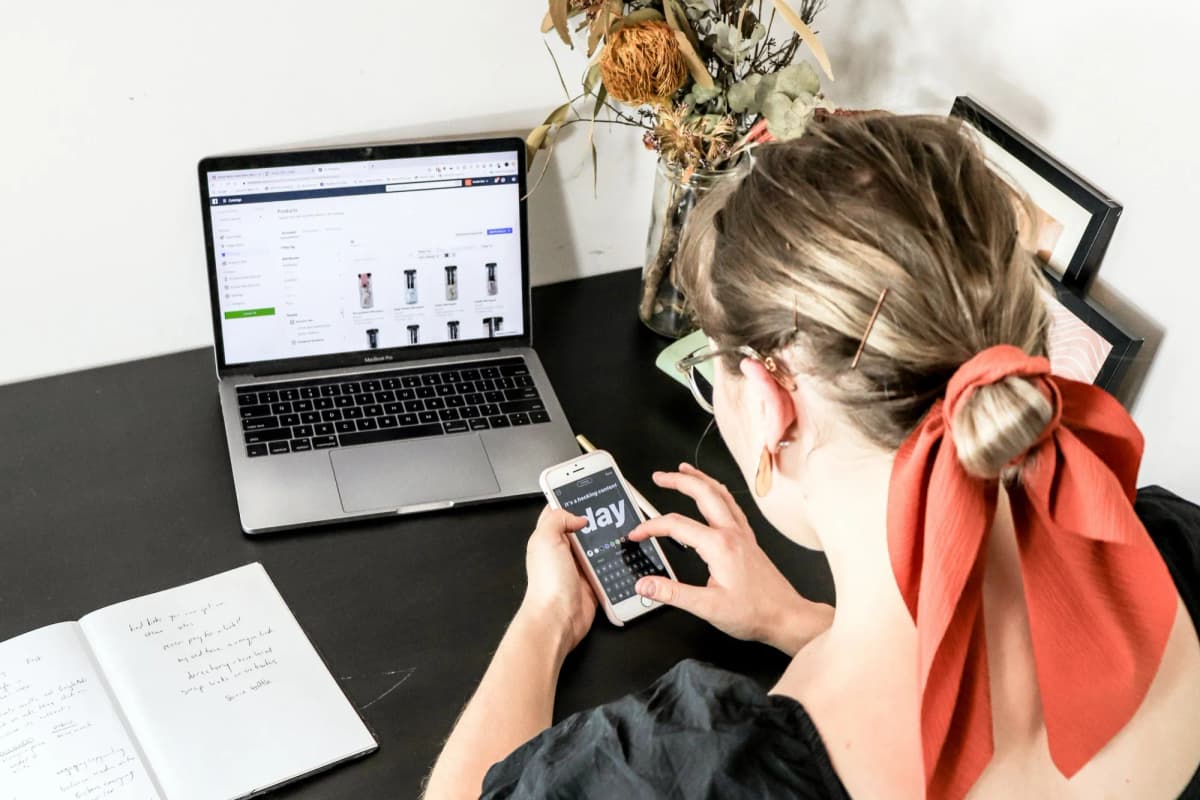
Global Payments Platform
- Focus Groups
- In-Depth Interviews
United States
Project Context
Retail environments are rarely built with gender non-conforming, non-binary, and trans shoppers in mind. Clothing is coded. Fit is inconsistent. Sizing charts are rigid. And so the act of shopping, especially in-store, can carry huge emotional risk.
But this group shows up with remarkable creativity and resilience. They shop across gendered categories to assemble looks that reflect who they are, how they feel, and how they want to be seen. It's more than just style. It's safety, identity, and self-definition.
This work set out to understand how these guests navigate gendered retail, and what it would take for brands to move beyond performative inclusion toward something more foundational: clothing and retail environments that affirm who someone is, and offer not just physical fit, but psychological fit as well.
What We Did
This research was done with 20 gender non-conforming, non-binary, and trans people across the United States. The project unfolded in three stages.
It began with a literature review to ground the work in academic theory and cultural context, ensuring the insights reflected not just personal stories, but broader systems and social dynamics.
Next came a self-filmed mobile diary study, where participants shared photos and videos of their closets, alongside reflections on their experiences navigating gendered retail environments.
Finally, I conducted in-depth interviews to go further, unpacking how people shop, style themselves, and express identity within a retail system still organized around a binary. Participants showed what fit really means — physically and psychologically. They walked through how they cross categories to build outfits that feel right, the compromises they make, and the confidence they gain when it all comes together.
The Outcome
The output was a framework for understanding psychological fit — a way to unpack how gender expression, comfort, identity, and confidence intersect through clothing. Rather than categorizing people by identity, the framework focused on motivation and mindset: how individuals want to feel, what they want to signal, and how they navigate tradeoffs between emotional and physical fit.
The work went on to inform an e-commerce pilot executed by the client.
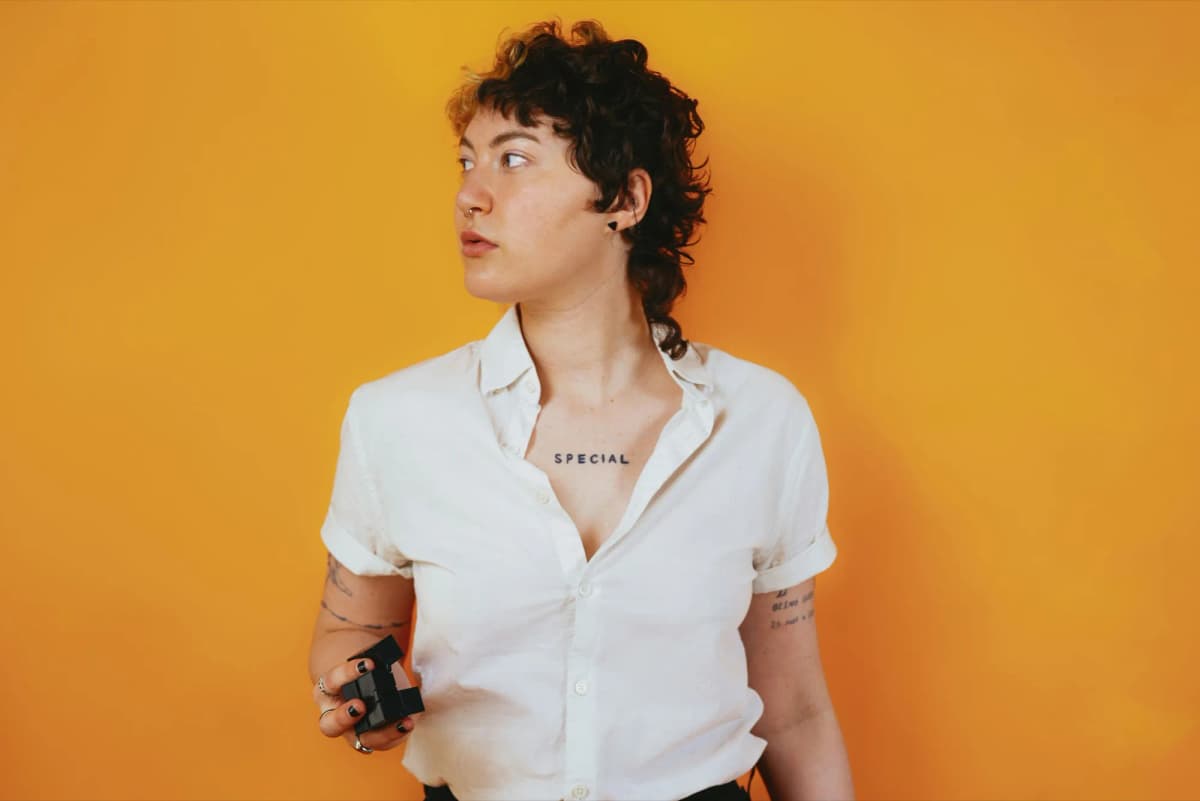
Global Retail Brand
- Literature Review
- Mobile Diary Study
- In-Depth Interviews
- Strategy Workshop
United States